
Industry Dynamics
-
Digital Addressable Lighting Interface (DALI) Evolves to DALI-2 and D4i for Enhanced IoT Integration
The established Digital Addressable Lighting Interface (DALI) protocol is evolving to meet the demands of the IoT era. The DALI-2 certification program ensures multi-vendor interoperability for control devices like sensors and push-buttons. More significantly, the D4i standard defines a luminaire-level interface for built-in sensors, data logging, and connectivity. A D4i-certified luminaire has a standardized socket
-
OLED Lighting Finds New Niche in High-End Architectural and Automotive Applications
While OLED technology has not achieved mass-market dominance in general lighting, it is establishing a strong and growing presence in specialized high-end applications. Its unique attributes—ultra-thin, flexible, lightweight, and naturally diffuse, glare-free light—make it ideal for architectural feature lighting, premium automotive interiors, and high-design consumer products. Architects are using large, panel-form OLEDs as luminous walls,
-
Hyper-local Weather and Pollution Data Gathering via Street Light Networks
Smart street lighting networks are evolving into multifunctional urban sensing platforms. Beyond controlling light levels, the poles are being equipped with sensors to monitor hyper-local air quality (PM2.5, NO2), noise pollution, temperature, humidity, and rainfall. This creates a dense, real-time map of environmental conditions across a city, providing data far more granular than traditional weather
-
Predictive Maintenance Through AI Maximizes Uptime in Large-Scale Installations
For large-scale lighting installations in airports, stadiums, corporate campuses, and cities, unplanned fixture failure is a major operational headache. AI-driven predictive maintenance is becoming the solution. By continuously analyzing data streams from connected luminaires—driver temperature, output current, voltage fluctuations, and hours of operation—machine learning algorithms can identify patterns that precede a failure. The system can
-
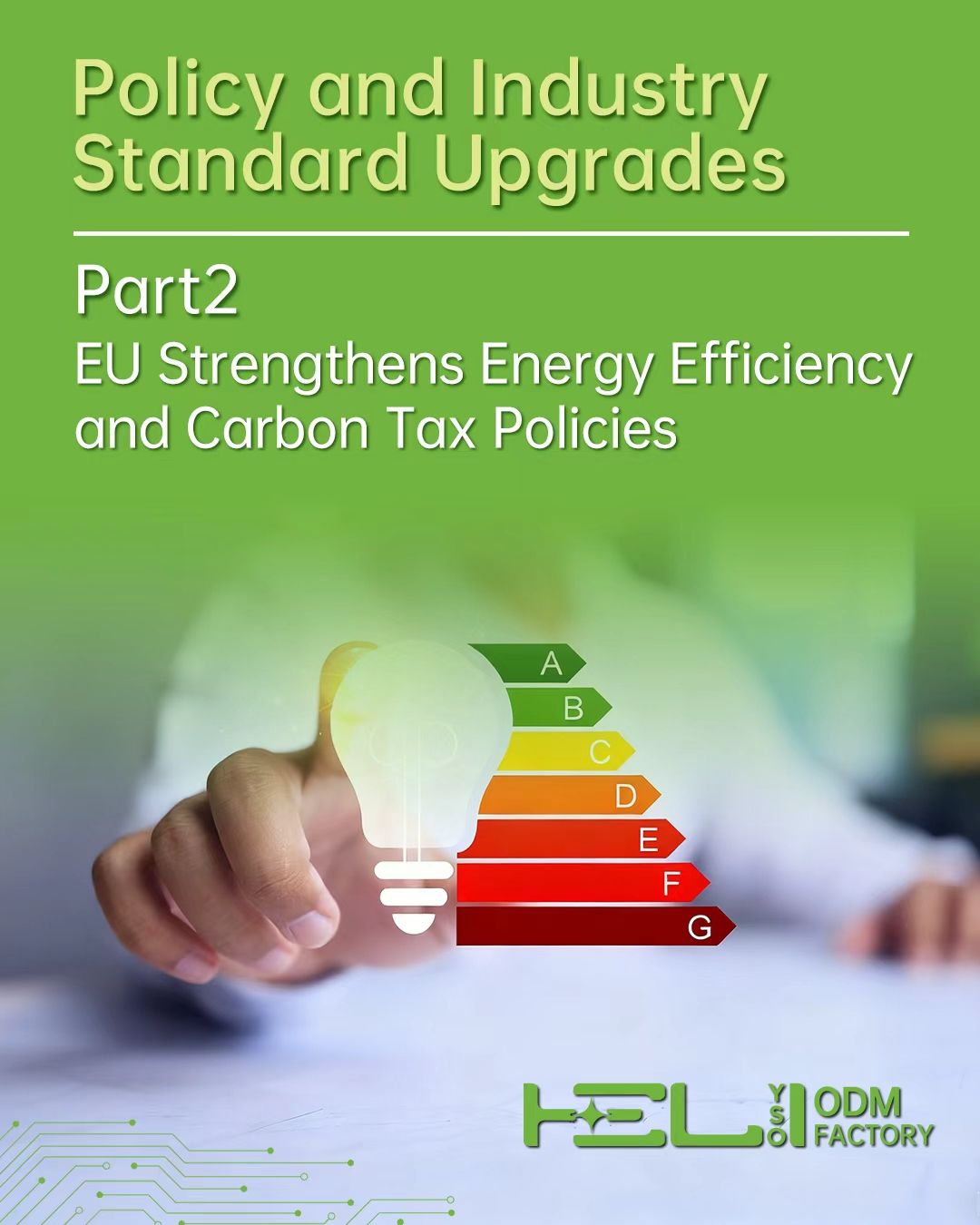
AR and VR Tools Revolutionize Lighting Design and Sales Processes
Augmented Reality (AR) and Virtual Reality (VR) are transforming how lighting is designed, specified, and sold. Designers can use AR apps on tablets or phones to superimpose virtual luminaires into a real-world physical space, allowing clients to visualize scale, style, and light distribution before purchase. VR takes this further, enabling immersive walkthroughs of fully rendered
-
The Evolution of Emergency Lighting: Smarter, Self-Testing, and Integrated
Emergency lighting is undergoing a smart revolution, moving from standalone, dumb fixtures to networked, intelligent systems. Modern emergency units with embedded sensors and connectivity can perform automatic self-tests (as required by code) and report their status—battery health, LED functionality—to a central dashboard. This eliminates costly manual monthly testing. They can also integrate with the main
-
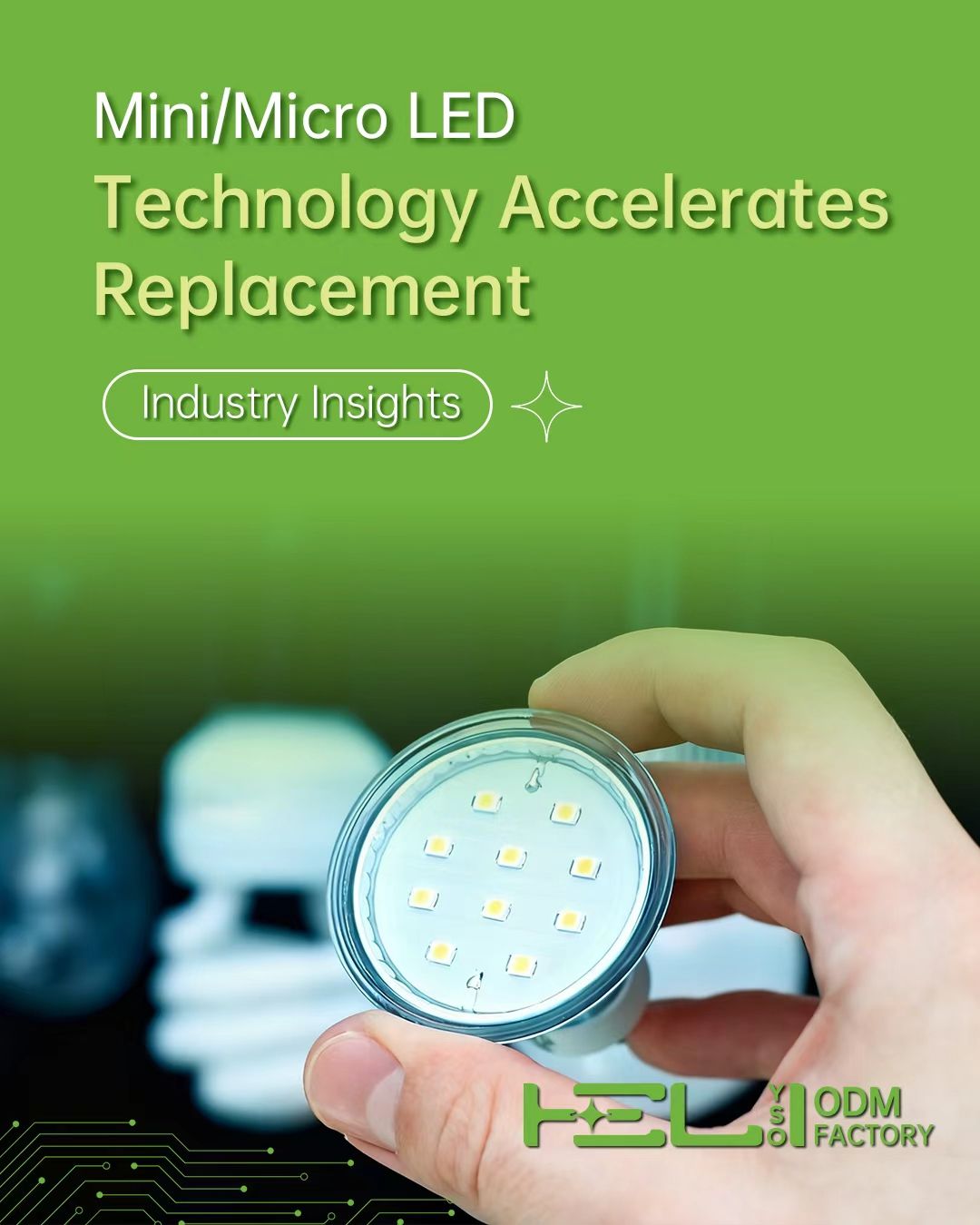
Blockchain for Provenance and Carbon Credit Tracking in Lighting Supply Chains
Blockchain technology is being piloted to bring transparency and trust to lighting supply chains and sustainability claims. Each component in a luminaire—from the LED chip sourced from a specific fab to the aluminum from a recycled source—can be given a digital certificate recorded on an immutable blockchain. This allows end buyers, from contractors to building
-
Advanced Glare Control Technologies Enhance Visual Comfort in Offices
As LED brightness increases and office tasks become more screen-based, controlling glare has become a top priority. New optical technologies are being deployed to meet stringent visual comfort standards like UGR (Unified Glare Rating). These include deep baffles, micro-prismatic lenses, and honeycomb louvres that precisely shield the high-angle brightness of the LED source from direct
-
Software-Defined Lighting Architectures Offer Unprecedented Flexibility
The concept of „software-defined lighting“ is emerging, where the functionality of a luminaire is determined more by its software than its fixed hardware. In this architecture, a standard, high-quality LED light engine is paired with a programmable driver and a robust software platform. Features like dimming curves, sensor response logic, emergency lighting functions, and communication
-
Professional Tunable-White Lighting Becomes Mainstream in Commercial Projects
Tunable-white lighting, which allows users to adjust the color temperature of light (from warm 2700K to cool 5000K+), has evolved from a specialty theatrical feature to a mainstream specification for offices, schools, and healthcare. The driver is the growing body of evidence supporting HCL. Projects now regularly specify tunable-white systems programmed on circadian schedules to
-
Anti-Microbial Coatings and Materials Gain Traction in Public and Health Care Lighting
In response to heightened hygiene concerns, lighting manufacturers are incorporating anti-microbial technologies directly into luminaires, particularly for high-touch surfaces like switches and trim, as well as on diffusers in sensitive environments. These solutions use coatings or materials infused with silver ions, copper, or other compounds that inhibit the growth of bacteria, mold, and viruses on
-
Gesture and Voice Control Create Intuitive User Interfaces for Lighting
User interfaces for lighting are becoming more natural and intuitive, moving beyond switches and apps towards gesture and voice control. Simple hand gestures—like a wave to turn on or a rotating motion to dim—allow for touchless control in kitchens, hospitals, and smart homes. Voice control, integrated with assistants like Amazon Alexa, Google Assistant, and Apple
