
Industry Dynamics
-
Data Security Emerges as a Critical Challenge for Connected Lighting
As lighting systems become more connected and integral to smart building IoT networks, they present new and attractive targets for cyber threats. A networked luminaire can serve as an entry point to a building’s broader data system. Consequently, data and network security has rapidly escalated from an afterthought to a fundamental design requirement. Leading manufacturers
-
Advanced Optics and Materials Push the Boundaries of Luminaire Design
Innovation in lighting is increasingly driven by advancements in secondary optics and novel materials, enabling new forms and functions. Modern optical systems using precision-molded micro-prisms, lenses, and reflectors allow for ultra-precise beam control, minimizing light pollution, reducing glare, and enhancing visual comfort. This is critical for applications like street lighting, office downlights, and museum accent
-
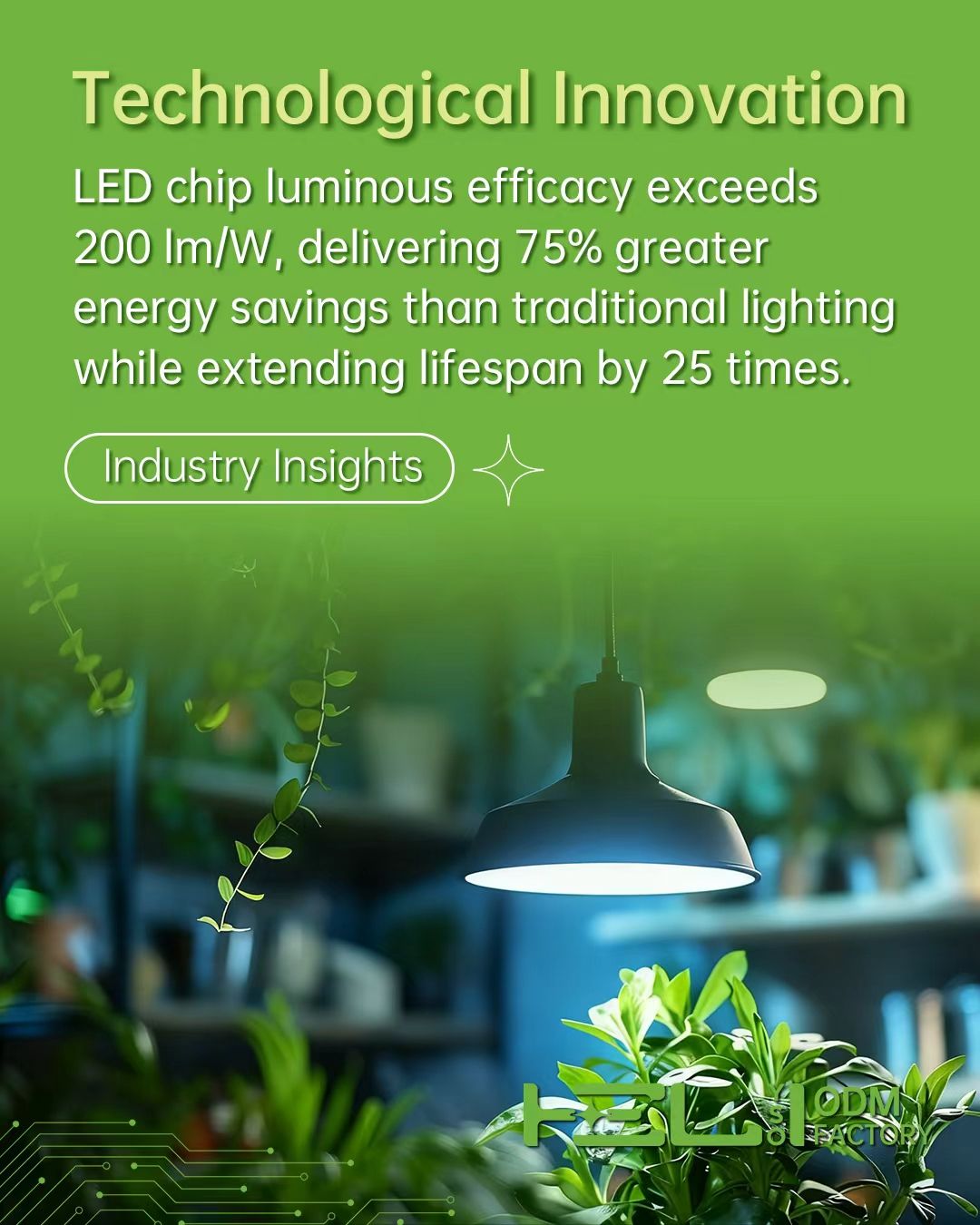
Lighting-as-a-Service (LaaS) Model Gains Momentum in Commercial Sector
The Lighting-as-a-Service (LaaS) business model is transitioning from a niche offering to a mainstream solution, particularly in the commercial, industrial, and municipal sectors. Under LaaS, customers pay a monthly or annual fee for illumination without upfront capital expenditure on hardware. The service provider installs, maintains, upgrades, and ultimately recycles the lighting system, guaranteeing performance and
-

UV-C Disinfection Lighting Finds Its Place Post-Pandemic
The demand for UV-C disinfection lighting, which surged during the pandemic, has now stabilized into sustained, targeted applications. While the initial consumer hype has subsided, the technology has found solid footing in professional and institutional settings with rigorous hygiene requirements. The focus has shifted towards engineered, safety-focused solutions that integrate UV-C emitting devices into HVAC
-
Supply Chain Resilience Becomes a Top Priority for Lighting Giants
In the wake of global disruptions, building resilient and agile supply chains has become a paramount objective for lighting manufacturers. The industry is moving away from over-reliance on single geographic sources for components like drivers, chips, and optics. Strategies now include regionalizing production, nearshoring key manufacturing processes, and developing multi-sourcing partnerships for critical materials. Digitalization
-
Micro-LED and Mini-LED Technologies Reshape Professional and Specialty Lighting
While OLED and traditional LED dominate general lighting, Micro-LED and Mini-LED technologies are making significant inroads into high-performance and specialty applications. These technologies involve using arrays of microscopic or miniaturized LEDs, allowing for unprecedented control over brightness, contrast, and color uniformity. In architectural and entertainment lighting, this enables the creation of ultra-high-resolution, seamless linear lighting
-

The IoT and Li-Fi Convergence: Lighting as the Backbone of Data Networks
The intersection of the Internet of Things (IoT) and lighting infrastructure is creating powerful new opportunities, with Li-Fi (Light Fidelity) emerging as a notable frontier. While IoT-enabled luminaires already act as sensor hubs, collecting data on occupancy, temperature, and air quality, Li-Fi technology takes this a step further by using modulated light waves to transmit
-

Human-Centric Lighting (HCL) Evolves: From Wellness to Integrated Smart Building Systems
Human-Centric Lighting (HCL), which aligns artificial light with natural circadian rhythms to support well-being and productivity, is maturing beyond standalone applications. The latest trend is its deep integration into holistic smart building and smart city ecosystems. HCL systems are now leveraging IoT connectivity and advanced sensors to dynamically adjust color temperature and intensity based on
-

Sustainability Takes Center Stage: The Drive Towards Carbon-Neutral Lighting Production
Environmental responsibility has moved from a secondary concern to a core strategic pillar in the lighting industry. Manufacturers are now aggressively pursuing carbon-neutral production goals through comprehensive green initiatives. A key strategy is the integration of on-site renewable energy, such as expansive rooftop photovoltaic systems, which can power a significant portion of a factory’s operations.
-
Smart Factories Illuminate the Future: Automation Revolutionizes Lighting Manufacturing
The lighting industry is undergoing a transformative shift as smart factory technologies become the new standard for manufacturing. Driven by the need for greater efficiency, consistency, and customization, leading manufacturers are integrating advanced automation, IoT sensors, and data analytics into their production lines. These smart facilities utilize interconnected ERP-MES systems to oversee every stage, from
-

2025 Lighting industry deep reshuffle, smart and healthy lighting counter trend growth
2025 Lighting industry deep reshuffle, smart and healthy lighting counter trend growth The global lighting market is reconfiguring in differentiation, and intelligent and sustainable development is becoming a key path for the industry to break out. In the first half of 2025, the global LED general lighting industry failed to recover as expected, the new
-

China LED Lighting Foundry Industry Market Analysis and Prospects for Foreign Trade Cooperation in Asia, Africa and Latin America Research Report (2024-2025)
China LED Lighting Foundry Industry Market Analysis and Prospects for Foreign Trade Cooperation in Asia, Africa and Latin America Research Report (2024-2025) I. Overall size and structural characteristics of the industry China’s LED lighting foundry market size is expected to reach RMB 285 billion in 2024, a year-on-year growth of 7.8%, accounting for 68% of
