
Media Report
-
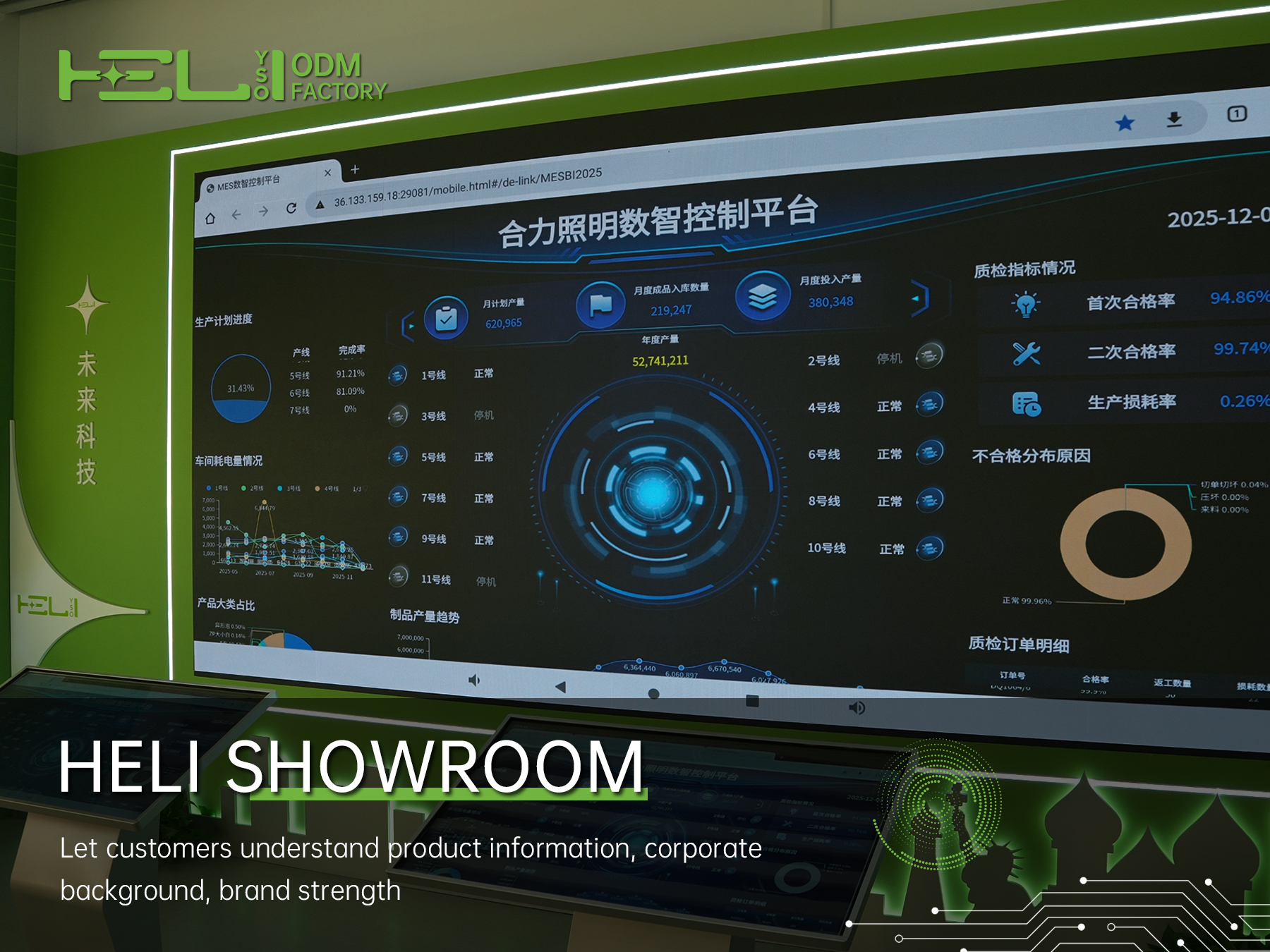
Lighting as a Service: A New Business Model Emerges
The „Lighting as a Service“ model is disrupting traditional capital expenditure approaches. Under LaaS, a provider installs, maintains, and updates a lighting system for a monthly or annual fee, while the client pays for the light, not the hardware. This removes upfront costs, transfers technology risk to the provider, and guarantees performance and energy savings.…
-
Professional Lighting Design Gains Recognition as a Critical Discipline
As lighting becomes more complex and integral to wellbeing and sustainability, the role of the professional lighting designer is gaining prominence. These specialists bridge the gap between architects, engineers, and end-users. They are experts in photometrics, human factors, controls, and aesthetics. Their work goes beyond selecting fixtures; they craft lighting concepts, perform detailed calculations to…
-
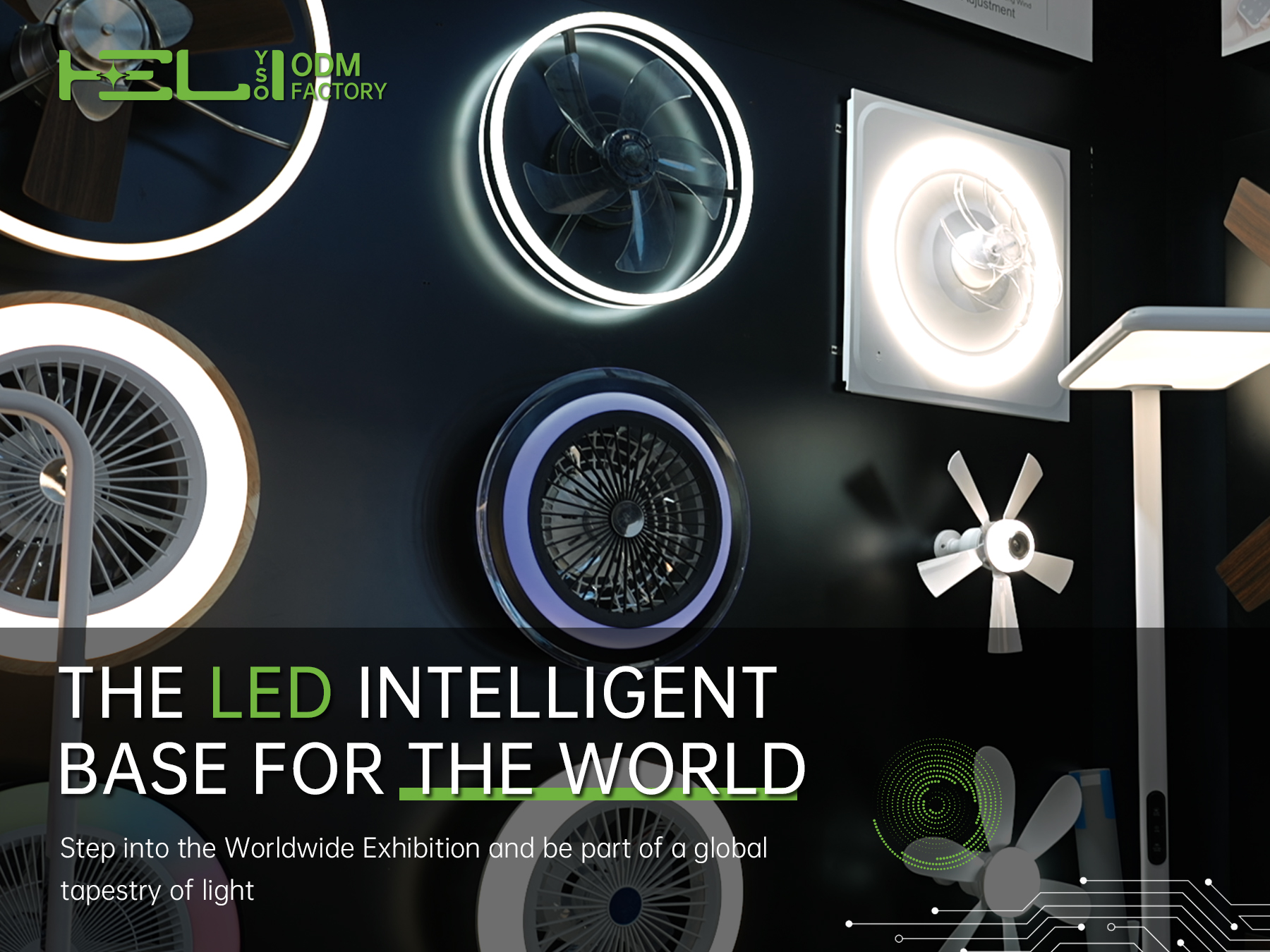
The Rise of Outdoor Residential Lighting Systems
Outdoor residential lighting is evolving from simple porch lights and path markers into comprehensive integrated systems. Homeowners are investing in professionally installed systems featuring architectural façade lighting, landscape accent lighting, and functional security lighting, all controlled from a single app. These systems enhance curb appeal, extend living spaces into gardens and patios after dark, and…
-
Standardization Wars: The Battle for Dominance in Smart Lighting Protocols
The smart lighting market suffers from fragmentation, with multiple wireless protocols vying for dominance. Zigbee, Z-Wave, Bluetooth Mesh, Wi-Fi, and proprietary systems all compete, creating confusion for consumers and complicating integration for professionals. The emergence of Matter, a unified, IP-based connectivity standard backed by major tech and lighting companies, promises to solve this. It aims to…
-
Lighting for Vertical Farming: Tailoring Spectra for Optimal Growth
Controlled Environment Agriculture, especially vertical farming, relies entirely on artificial light. This has created a specialized and rapidly growing niche for the lighting industry. Grow lights are no longer just about providing high-intensity PAR; they are about spectral tuning. Research is optimizing precise light recipes—specific combinations of blue, red, far-red, and other wavelengths—to influence plant…
-
The Software Layer Becomes a Lighting Differentiator
As hardware becomes increasingly commoditized, the value in lighting systems is migrating to software. User-friendly applications for commissioning, monitoring, and managing lighting networks are now a primary selling point. These platforms allow facility managers to visualize energy use, receive proactive maintenance alerts, and adjust lighting scenarios across a portfolio of buildings from a single dashboard.…
-
Lighting Industry Grapples with Material Innovation and Scarcity
With LED technology maturing, material science is a key battleground for innovation. Researchers are pushing the limits of phosphor blends to achieve higher efficacy and better color rendering from LED packages. Simultaneously, the industry faces pressure to reduce reliance on critical materials like rare-earth elements, often cited for supply chain and environmental concerns. Innovations in…
-

Advanced Controls Unlock Next Phase of LED Savings
The LED revolution’s initial wave of savings is largely realized, but a new frontier of efficiency lies in sophisticated controls. Advanced systems utilizing sensors, timers, and data analytics are moving beyond basic motion detection. Today’s solutions employ machine learning to understand occupancy patterns, adjust for available daylight with precision, and even integrate with building management…
-

The Software Frontend: User Experience in Smart Lighting
As smart lighting systems grow more powerful, their complexity can become a barrier. The focus is now sharply on the user interface. The best systems hide their sophistication behind simple, intuitive apps and physical controls. Gesture control, voice commands, and contextual automation are becoming standard. Users can create „scenes“ like „Movie Night“ or „Morning Coffee“…
-
Licensed Light: The Branded Color Spectrum
Color is a powerful brand identifier, and companies are now seeking to own it in lighting. Specialized color labs work with brands to create custom, proprietary shades of white or colored light that become synonymous with their identity. This „licensed light“ can be programmed into the smart lighting systems of their flagship stores, offices, and…
-

Maintenance 2.0: Predictive Analytics for Lighting Systems
The era of reactive maintenance—changing a bulb only after it fails—is ending. Connected lighting systems enable predictive maintenance. By continuously monitoring driver health, LED temperature, and operating hours, the system can predict failures before they happen. Facility managers receive alerts about a fixture that is likely to fail in the coming weeks, allowing for planned,…
-
The Rise of Organic Shapes: Lighting as Sculpture
Aesthetic trends in decorative lighting are moving sharply away from rigid, geometric forms toward organic, fluid shapes. Inspired by nature, designers are creating pendants and floor lamps that resemble flowing fabric, melting ice, or cellular structures. This is enabled by new materials like flexible LEDs, silicone diffusers, and 3D printing, which allow for forms that…
