
Media Report
-

The Evolution of Emergency and Safety Lighting
Emergency lighting is being revolutionized by LED and connectivity. LED technology provides the efficiency and long life crucial for these always-on, safety-critical systems. Modern emergency units integrate self-testing functionality, automatically performing monthly discharge tests and annual duration tests, logging results, and reporting failures via network. Centralized monitoring systems allow facility managers to see the status…
-

Data-Driven Lighting Maintenance and Predictive Analytics
IoT-connected lighting systems are generating vast amounts of operational data. Beyond energy consumption, they can report individual fixture status, hours of operation, internal temperature, and driver health metrics. Advanced analytics platforms are beginning to use this data for predictive maintenance. Instead of waiting for a light to fail, the system can alert facility managers to…
-
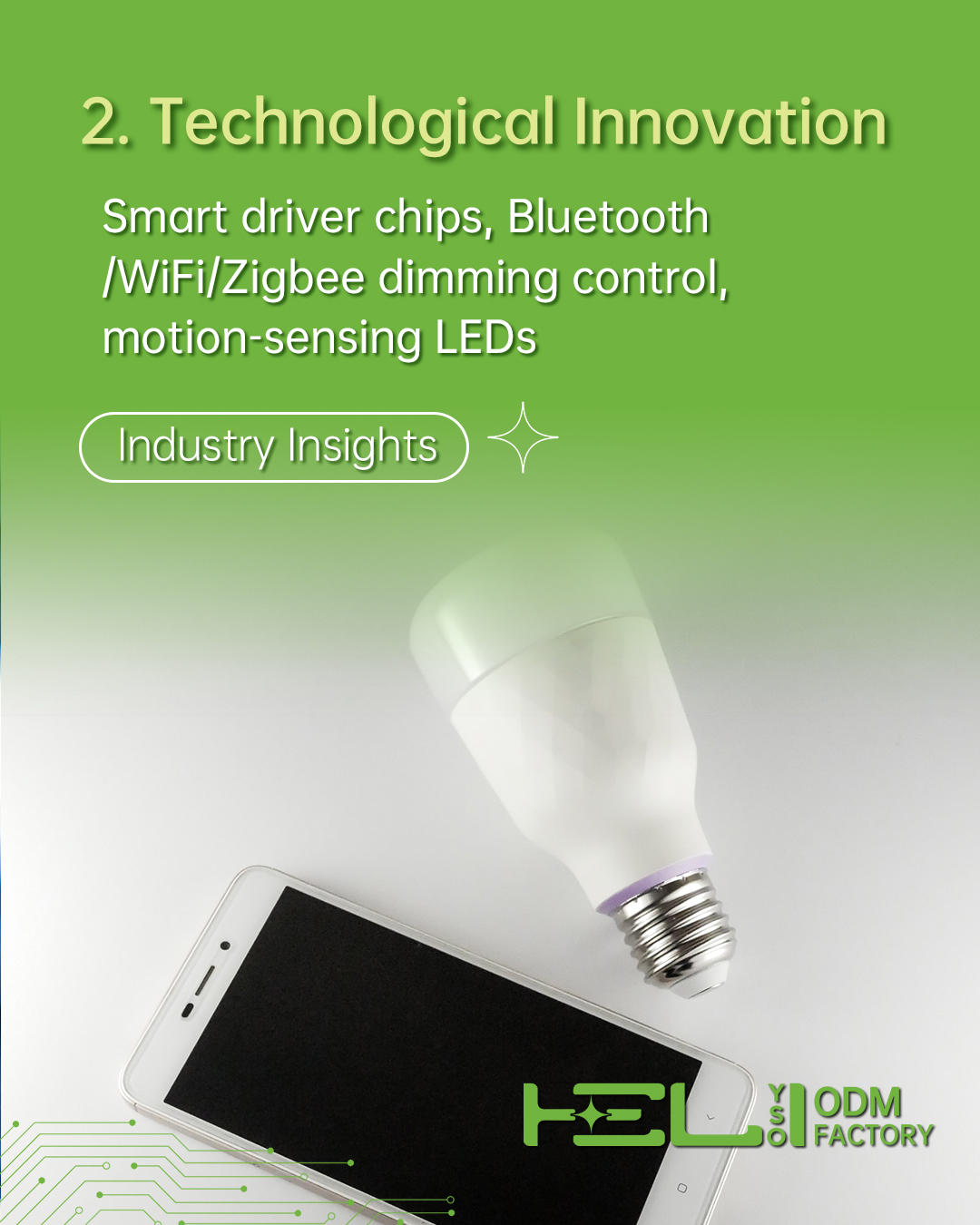
Thermal Management: The Unsung Hero of LED Performance and Lifetime
Adequate thermal management remains one of the most critical engineering challenges in LED lighting. The performance, color stability, and most importantly, the lifespan of an LED are directly tied to the temperature of its semiconductor junction. Efficient heat sinks, thermal interface materials, and intelligent physical design are paramount. Innovations include active cooling with miniature fans,…
-
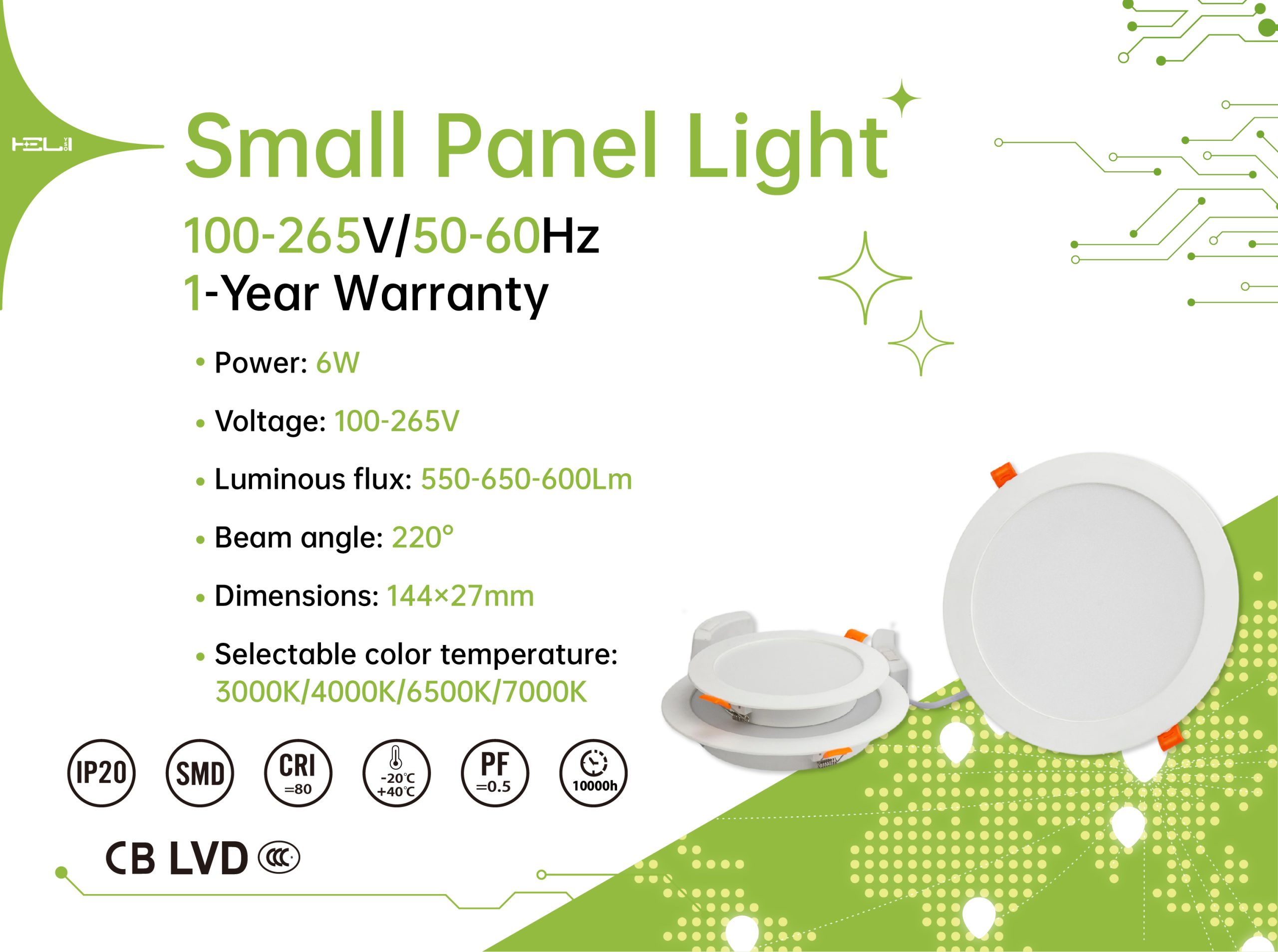
Combating Light Pollution: Dark-Sky Compliance Goes Mainstream
Growing awareness of light pollution’s impact on ecosystems, human health, and astronomical observation is shaping outdoor lighting standards. “Dark Sky” compliant fixtures are designed to minimize upward light spill (uplight), reduce glare, and use warmer color temperatures that are less disruptive to wildlife. Regulations mandating such fixtures are being adopted by an increasing number of…
-
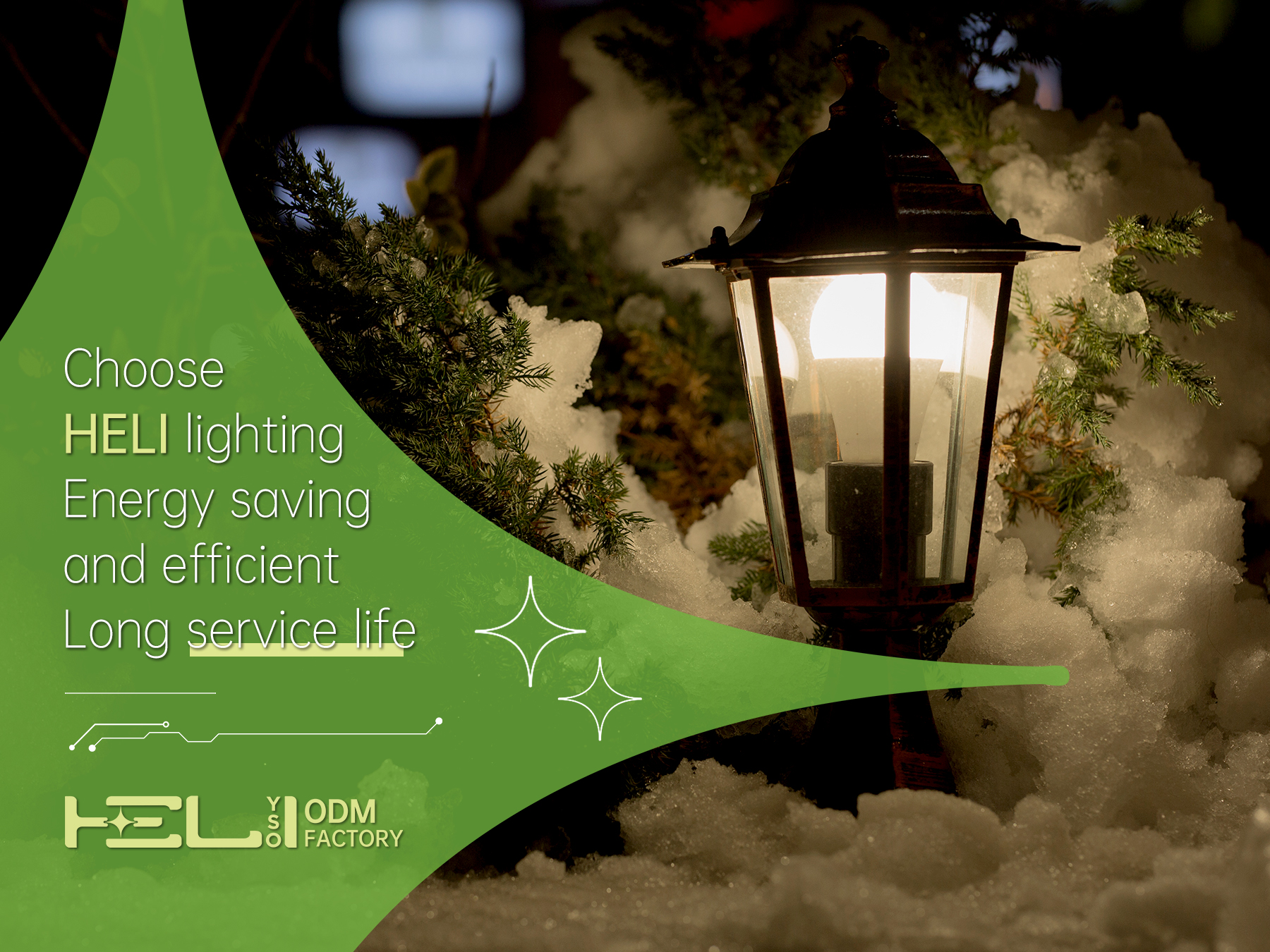
3D Printing Transforms Prototyping and Custom Luminaire Production
Additive manufacturing is having a profound impact on the lighting industry, particularly in prototyping and custom production. Designers can quickly iterate and test complex organic shapes for shades, diffusers, and housings that would be impossible or prohibitively expensive to mold. For custom or limited-edition fixtures, 3D printing allows for on-demand production without tooling costs. Materials…
-
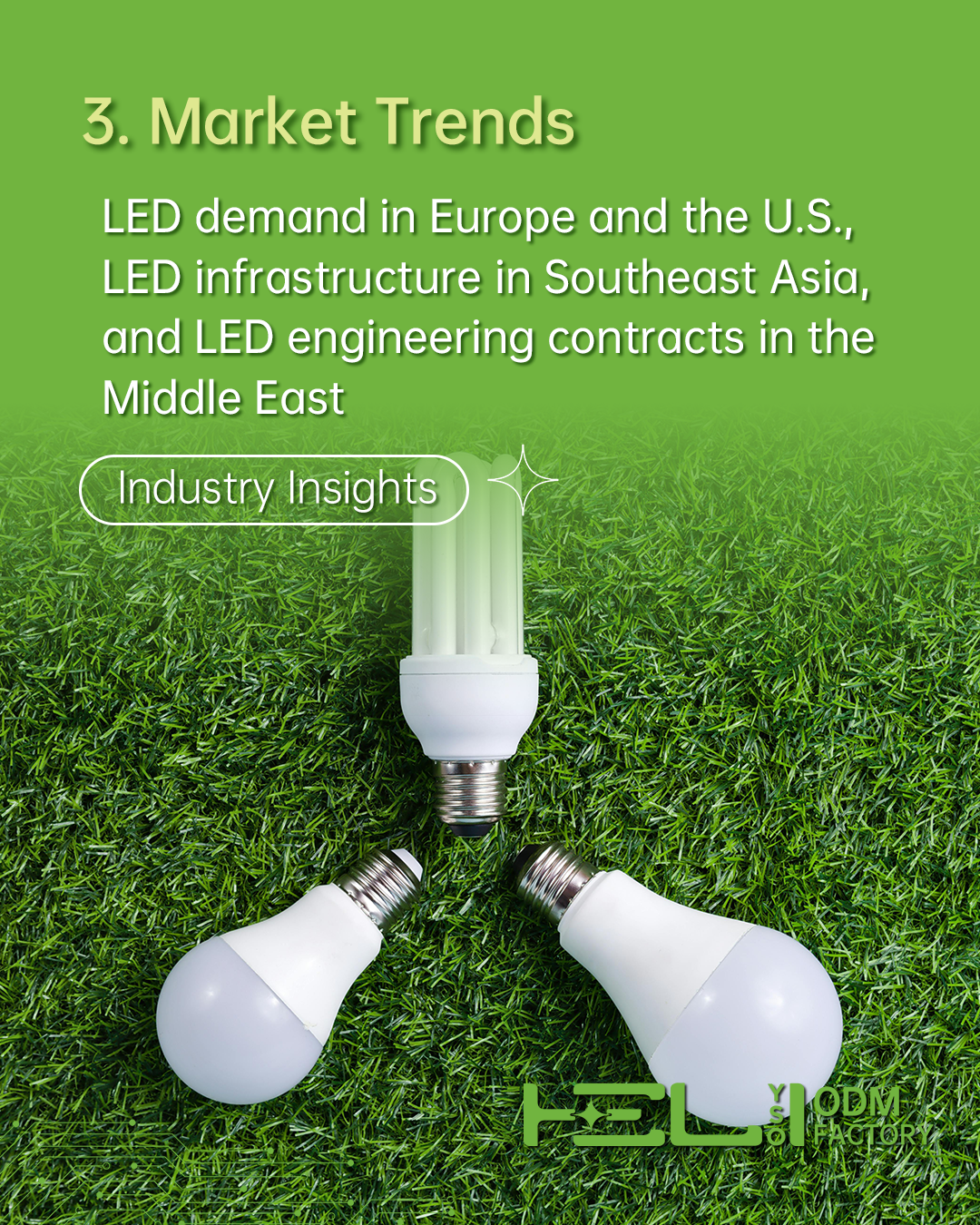
The High-End Residential Market: Bespoke and Artistic Fixtures
At the luxury end of the market, lighting is treated as functional art and a key element of interior decor. This sector thrives on customization, craftsmanship, and bold design statements. Demand is high for hand-blown glass, natural materials, metals with specialized finishes, and sculptural forms. Bespoke manufacturers work directly with architects and interior designers to…
-
LiDAR and Lighting: Sensor Fusion for Autonomous Spaces
The convergence of lighting with advanced sensors is creating intelligent infrastructure for autonomous vehicles and smart spaces. Street light poles are seen as ideal hosts for LiDAR, radar, and high-resolution cameras. By providing both illumination and high-fidelity data about the urban environment, they can support autonomous vehicle navigation and city management. Indoors, simpler sensor packages…
-
The Miniaturization Trend: Invisible and Seamless Lighting
A dominant aesthetic trend is the pursuit of invisibility—lighting that is seen only by its effect. This drives demand for ultra-miniaturized LED profiles, thin linear strips, and fixtures with vanishingly small bezels. Recessed downlights are now as small as 1-inch in aperture. Covelights and slot details hide light sources completely, creating a seamless glow that…
-
Quality and Longevity: The Shift to Performance and Reliability
As the market matures, competition is moving from initial price to total cost of ownership and quality. Specifiers and buyers are scrutinizing parameters beyond lumens-per-watt, such as color consistency over time, flicker performance, driver reliability, and warranty terms. The industry is focusing on robustness: designing for thermal management to ensure long lifespans, using higher-grade components,…
-
Bidirectional Lighting: A Potential Player in the Smart Grid
Research is exploring the concept of “bidirectional lighting,” where LED fixtures, which are inherently solid-state electronics, could serve dual purposes. Beyond illumination, they could act as wireless communication nodes or even as distributed energy resources. Theoretically, with the right circuitry, a building’s vast network of LED drivers could potentially provide grid services like demand response…
-
Circadian Lighting Expands into Education and Senior Living
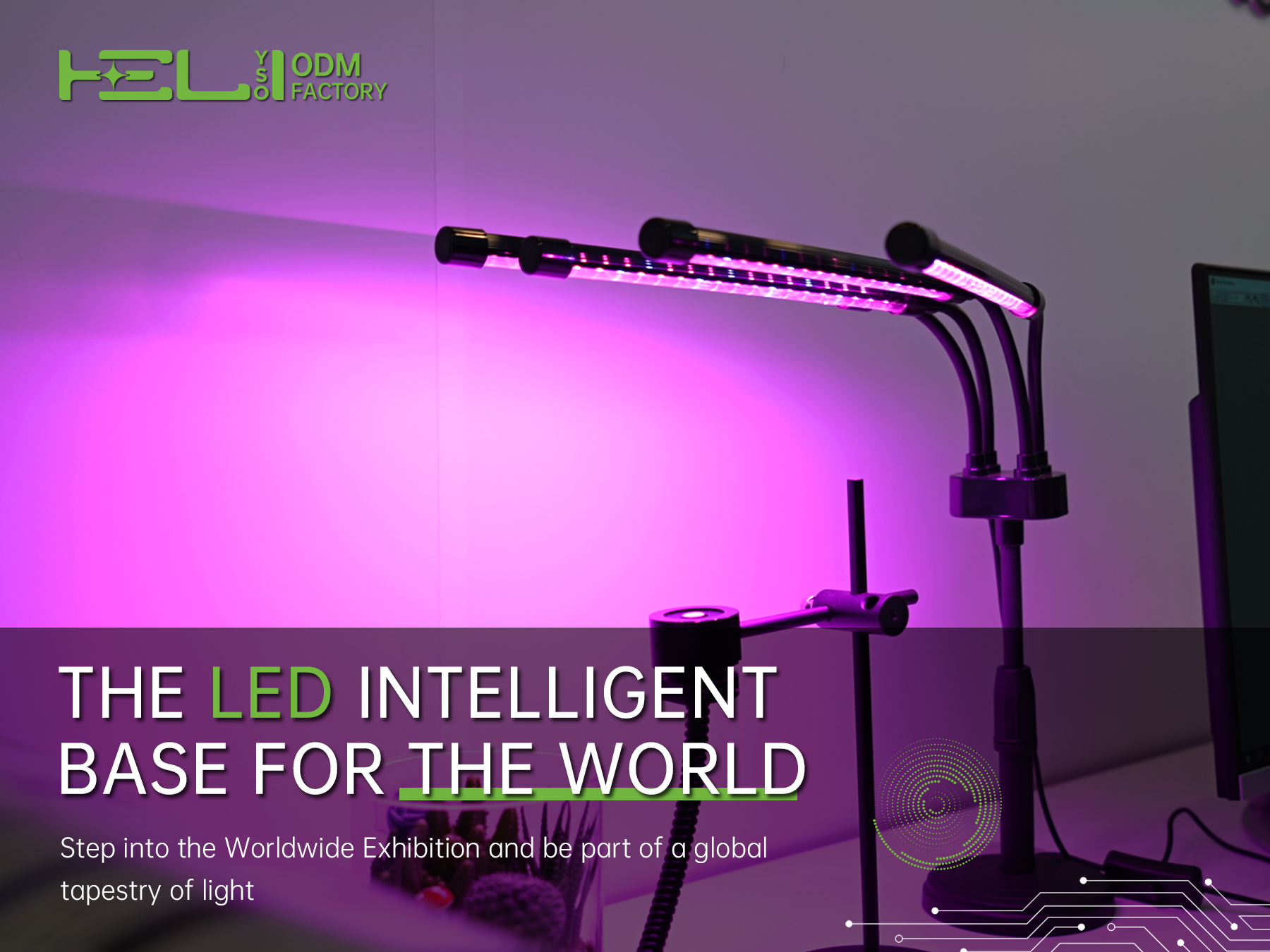
Following early adoption in corporate offices, circadian or tunable lighting systems are finding strong use cases in schools and senior care facilities. Studies suggest that aligning light in classrooms with students’ natural rhythms can improve alertness, mood, and academic performance. Systems can provide cool, bright light in the morning to aid concentration and transition to…
-
Optics Innovation: Shaping Light with Greater Precision
While LEDs are the light source, optics determine how that light is distributed. Innovations in optical design are crucial for visual comfort and efficiency. Advanced micro-optical arrays, total internal reflection lenses, and free-form optics allow manufacturers to create luminaires with extremely precise beam control, minimizing glare and “spill light.” This is vital for applications like…
