
Media Report
-
Blue Light Debate: Science vs. Sensationalism
The potential hazards of blue light from screens and LEDs have sparked public concern, often fueled by sensational media reports. The scientific picture is more nuanced. While research confirms that high-intensity blue light exposure at night can suppress melatonin and disrupt sleep, the risks from typical ambient indoor lighting are significantly lower. The lighting industry…
-

Projection Mapping: Transforming Surfaces with Light Storytelling
Architectural projection mapping has evolved from a special event spectacle to a more permanent medium for branding and public art. Using powerful, calibrated projectors and sophisticated software, light and video are mapped onto the irregular surfaces of buildings, turning them into dynamic canvases. Lighting companies are involved by providing the high-lumen, durable projectors and robust…
-

Blue Light Debate: Science vs. Sensationalism
The potential hazards of blue light from screens and LEDs have sparked public concern, often fueled by sensational media reports. The scientific picture is more nuanced. While research confirms that high-intensity blue light exposure at night can suppress melatonin and disrupt sleep, the risks from typical ambient indoor lighting are significantly lower. The lighting industry…
-
Projection Mapping: Transforming Surfaces with Light Storytelling
Architectural projection mapping has evolved from a special event spectacle to a more permanent medium for branding and public art. Using powerful, calibrated projectors and sophisticated software, light and video are mapped onto the irregular surfaces of buildings, turning them into dynamic canvases. Lighting companies are involved by providing the high-lumen, durable projectors and robust…
-
The Data Goldmine: Analytics from Connected Lighting Systems
A network of connected light points is more than a lighting system; it’s a pervasive sensor grid. Each fixture can be equipped with sensors to collect anonymized data on occupancy, space utilization, foot traffic patterns, ambient temperature, and light levels. This data, when aggregated and analyzed, provides invaluable insights for facility managers, retailers, and city…
-
The Driver Challenge: Powering the Future of Light
The unsung hero of the LED revolution is the electronic driver. As fixtures become smarter and more sophisticated, the demands on drivers increase exponentially. They must not only convert power efficiently but also house connectivity modules, execute complex control protocols, and enable features like dimming and color tuning. Reliability is paramount—a driver failure renders the…
-
Heritage and Light: Illuminating History with Modern Tech
Lighting historic buildings and monuments presents a unique challenge: enhancing beauty and ensuring safety without damaging delicate structures or compromising their character. Modern LED solutions are ideal for this task. Their small size allows for discreet placement, and their low heat output and lack of ultraviolet radiation protect sensitive stone, paint, and artifacts. Advanced optics…
-
UV for Horticulture: Optimizing Growth with Precision Light
The controlled environment agriculture sector, including vertical farms and greenhouses, is heavily reliant on advanced lighting. LED grow lights have evolved far beyond simple red and blue spectrums. Today’s systems use precise, tunable „light recipes“ tailored to specific crops—different combinations of wavelengths can influence a plant’s shape, size, nutritional content, flowering time, and taste. Research…
-
Standardization Battle: The War for the Smart Home Hub
The smart lighting market is fragmented, a key hurdle to mass adoption. Major players like Google, Apple, Amazon, and Samsung promote their own ecosystems and communication protocols, often locking customers into a single brand. The launch of the „Matter“ standard, backed by all these giants, aims to solve this. Matter is a unified, IP-based connectivity…
-
Biophilic Design: Bringing Natural Light Patterns Indoors
A key trend in architectural design is biophilia—the human desire to connect with nature. Lighting plays a central role in this. Biophilic lighting goes beyond color temperature to mimic the dynamic, nuanced qualities of natural light. This includes creating subtle, random variations in intensity to simulate the movement of clouds, or programming slow, smooth transitions…
-
Connected Retail: Personalizing the Shopping Experience with Light
In physical retail, lighting is becoming a dynamic tool for personalization and engagement. Advanced systems now integrate with in-store sensors and mobile data to create responsive environments. Imagine walking into a store where the aisle lighting subtly guides you to sections aligned with your past purchases, or a display that brightens and changes color when…
-
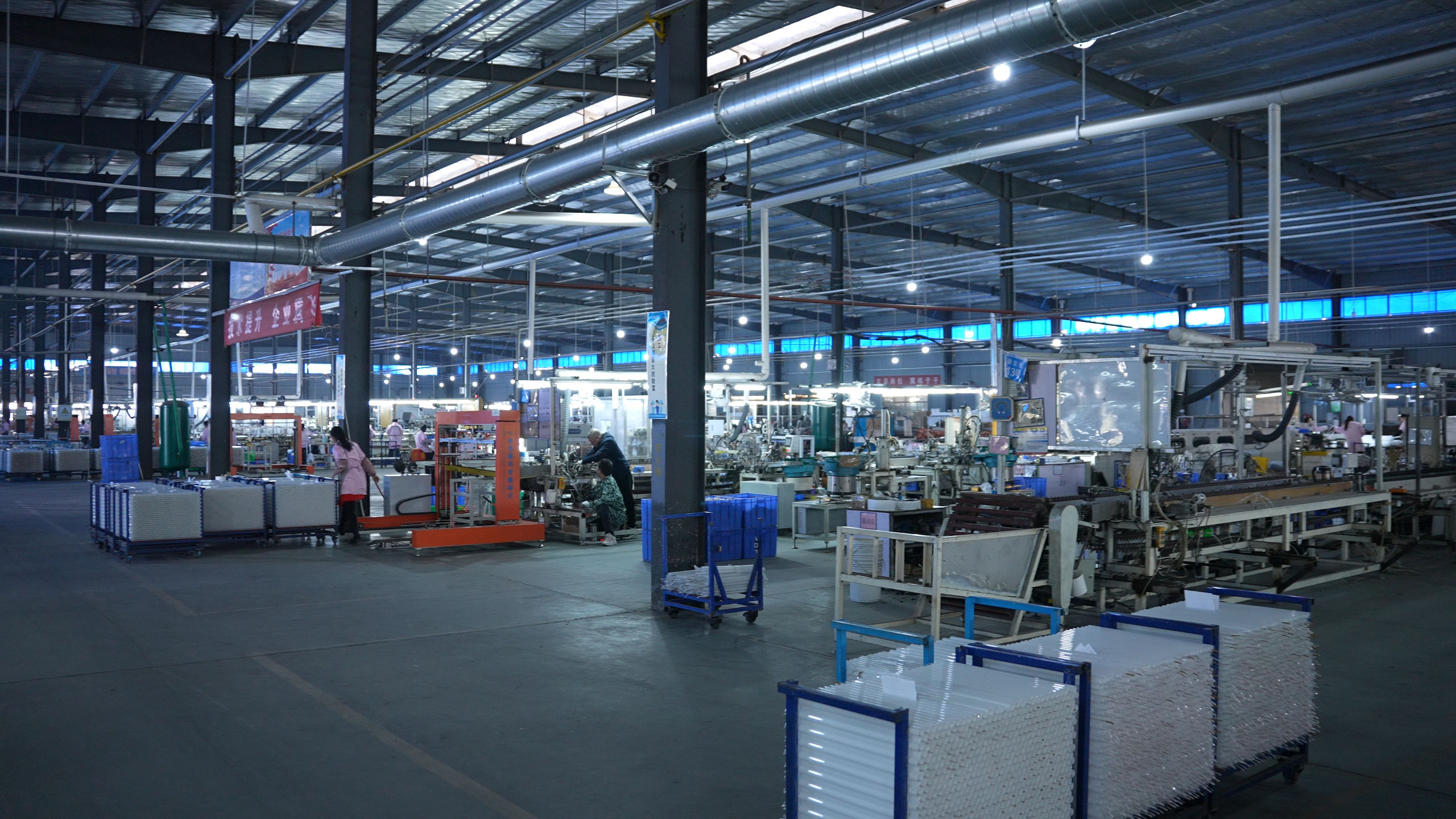
Advanced Materials: Enhancing Efficiency and Quality
The quest for better light is driving innovation at the material level. Key research areas include improving phosphor systems within LEDs to achieve higher color rendering indexes and more consistent light quality across batches. Scientists are also working on novel substrate materials, like gallium nitride on silicon, which could lower production costs for high-performance LEDs.…
