
Media Report
-

Connected Retail: Personalizing the Shopping Experience with Light
In physical retail, lighting is becoming a dynamic tool for personalization and engagement. Advanced systems now integrate with in-store sensors and mobile data to create responsive environments. Imagine walking into a store where the aisle lighting subtly guides you to sections aligned with your past purchases, or a display that brightens and changes color when…
-
The Dark Side of Brightness: Tackling Light Pollution
As cities get brighter, the negative impacts of artificial light at night are becoming impossible to ignore. Light pollution disrupts ecosystems, confuses migratory animals, wastes energy, and obscures our view of the stars. More critically, a growing body of medical research links excessive nighttime light exposure, particularly blue light, to human health issues, including sleep…
-
Lighting as a Service: A New Business Model Emerges
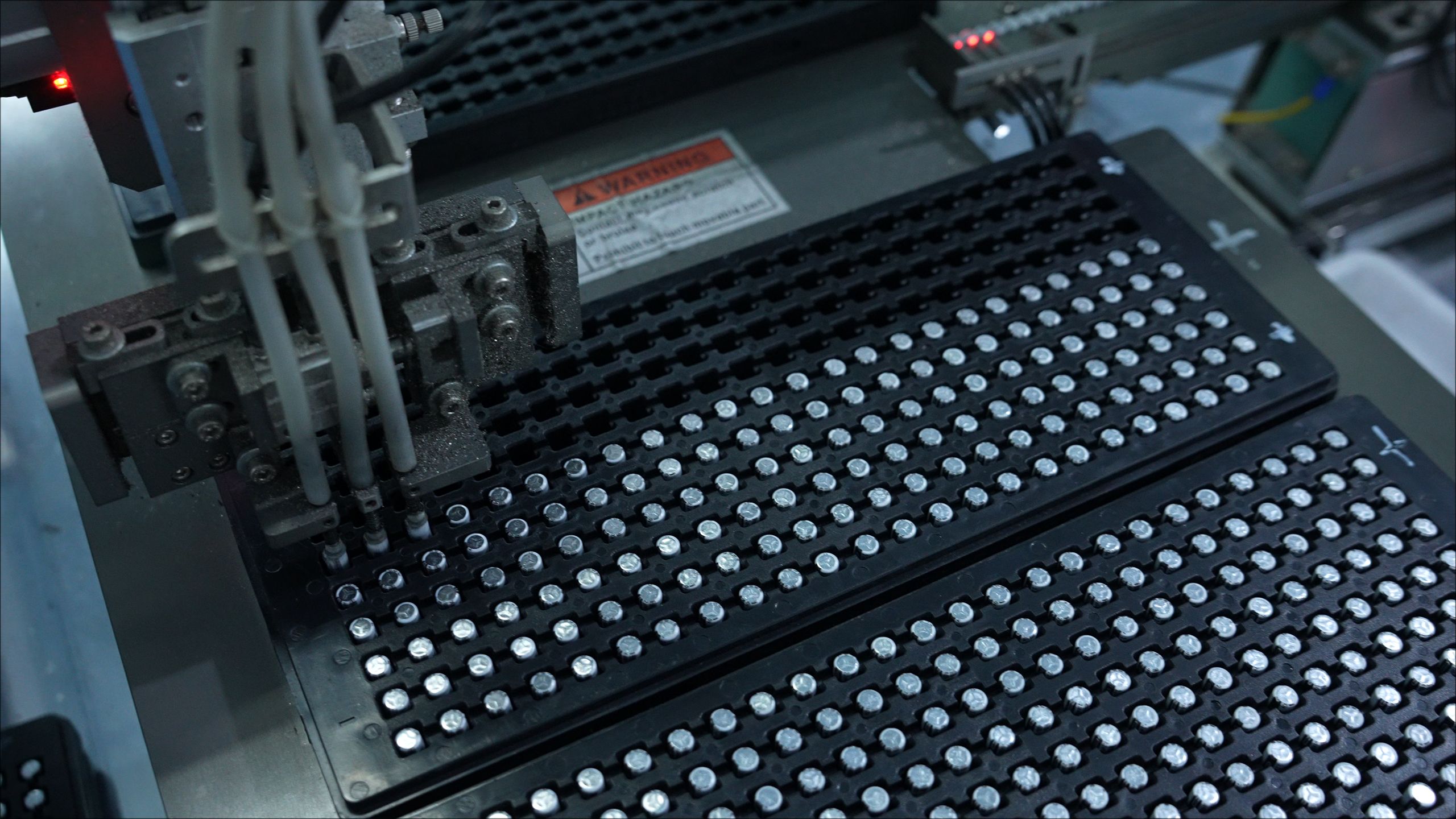
The traditional model of selling light bulbs is being challenged by Lighting as a Service. In an LaaS model, customers pay a monthly fee for illumination, while the service provider owns, maintains, and upgrades the physical assets. This shifts the capital expenditure for a new, efficient LED lighting system to an operational expense, removing a…
-
The Miniaturization Revolution: Micro-LEDs and Beyond
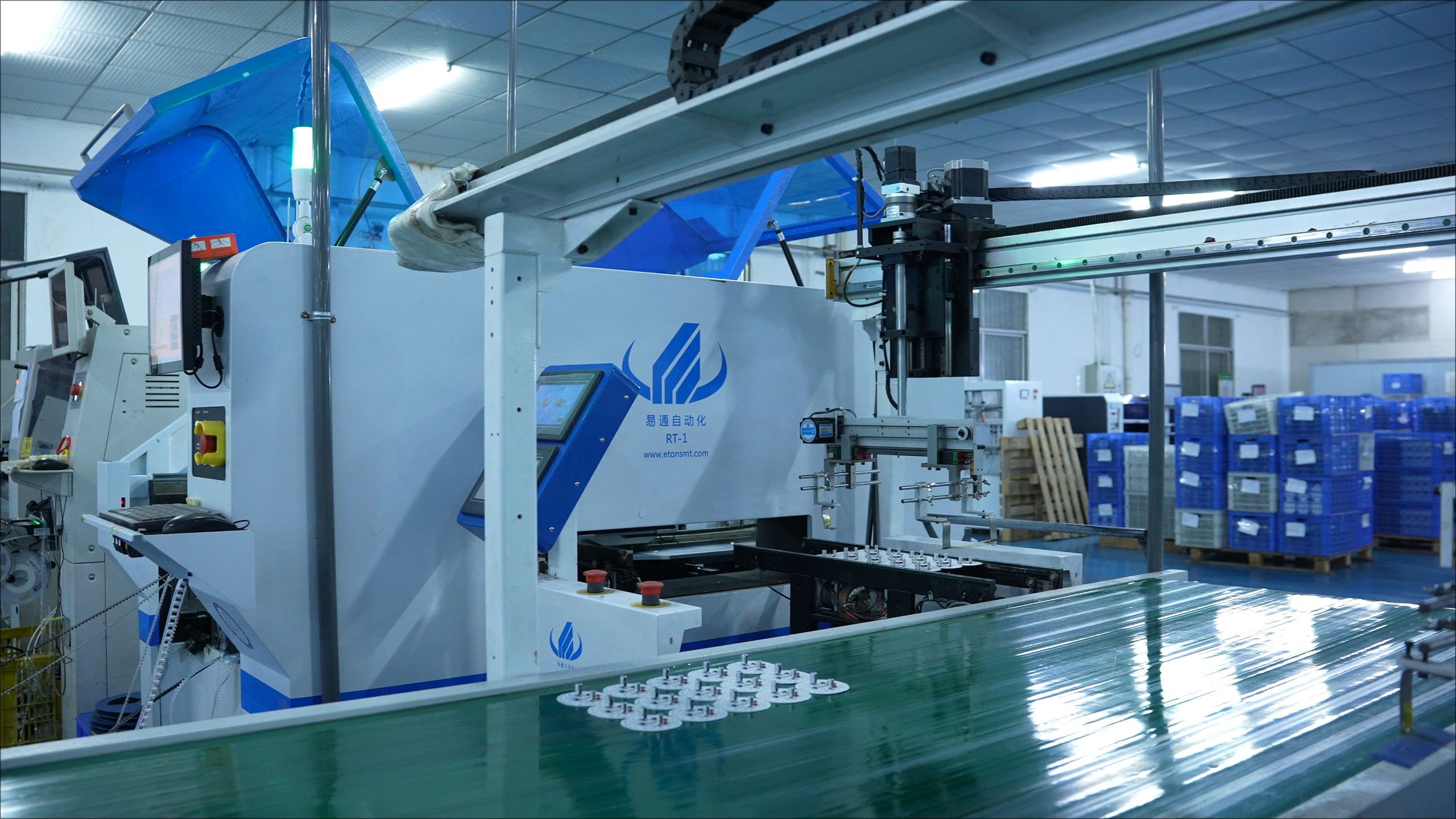
Lighting technology is becoming invisible. The rise of Micro-LEDs, which are chips smaller than 100 micrometers, is enabling entirely new form factors. These tiny, ultra-bright light sources allow for seamless integration into materials, fabrics, and ultra-thin displays. In architectural lighting, Micro-LEDs facilitate discreet, pixel-level control for creating dynamic media walls and immersive art installations. The…
-
Circadian Lighting Goes Mainstream: Wellness in the Workplace
The concept of circadian lighting, which aligns artificial light with the human body’s natural 24-hour cycle, is rapidly moving from experimental studies to real-world office applications. Businesses are increasingly investing in tunable LED systems that adjust color temperature and intensity throughout the day. The goal is to enhance employee well-being, boost daytime alertness, and support…
-
Advanced Materials: Enhancing Efficiency and Quality
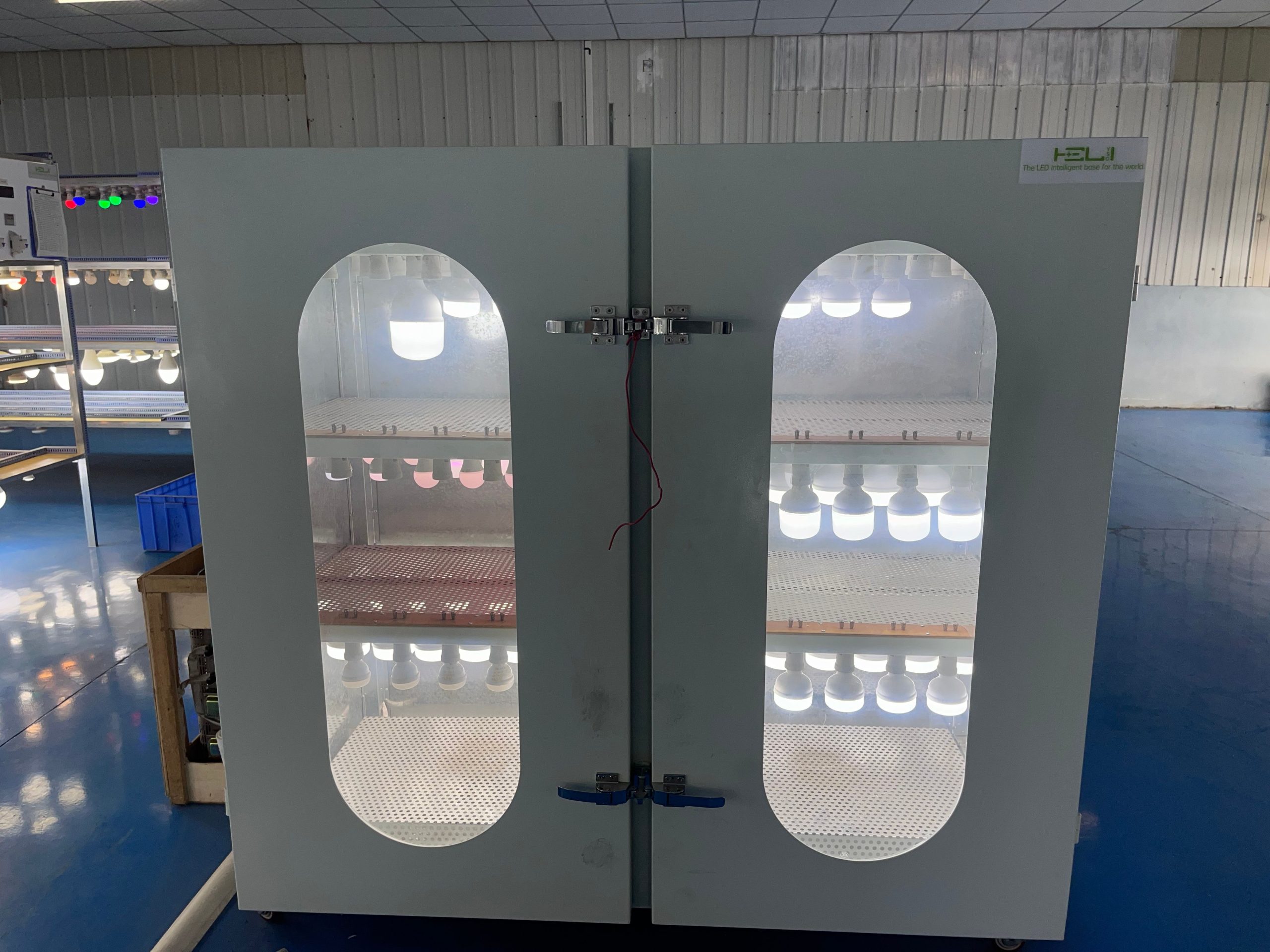
The quest for better light is driving innovation at the material level. Key research areas include improving phosphor systems within LEDs to achieve higher color rendering indexes and more consistent light quality across batches. Scientists are also working on novel substrate materials, like gallium nitride on silicon, which could lower production costs for high-performance LEDs.…
-
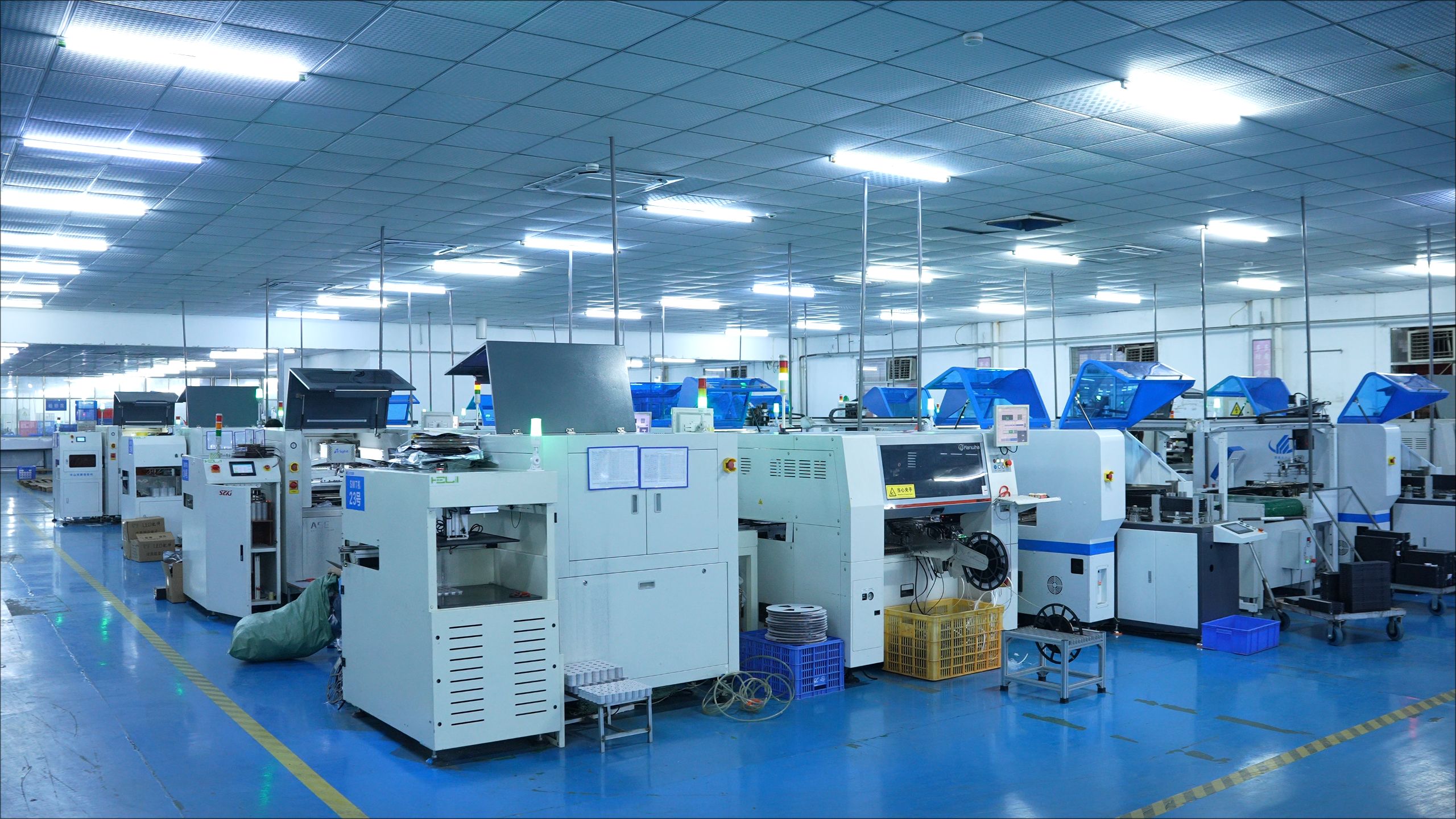
The Dark Side of Brightness: Tackling Light Pollution
As cities get brighter, the negative impacts of artificial light at night are becoming impossible to ignore. Light pollution disrupts ecosystems, confuses migratory animals, wastes energy, and obscures our view of the stars. More critically, a growing body of medical research links excessive nighttime light exposure, particularly blue light, to human health issues, including sleep…
-
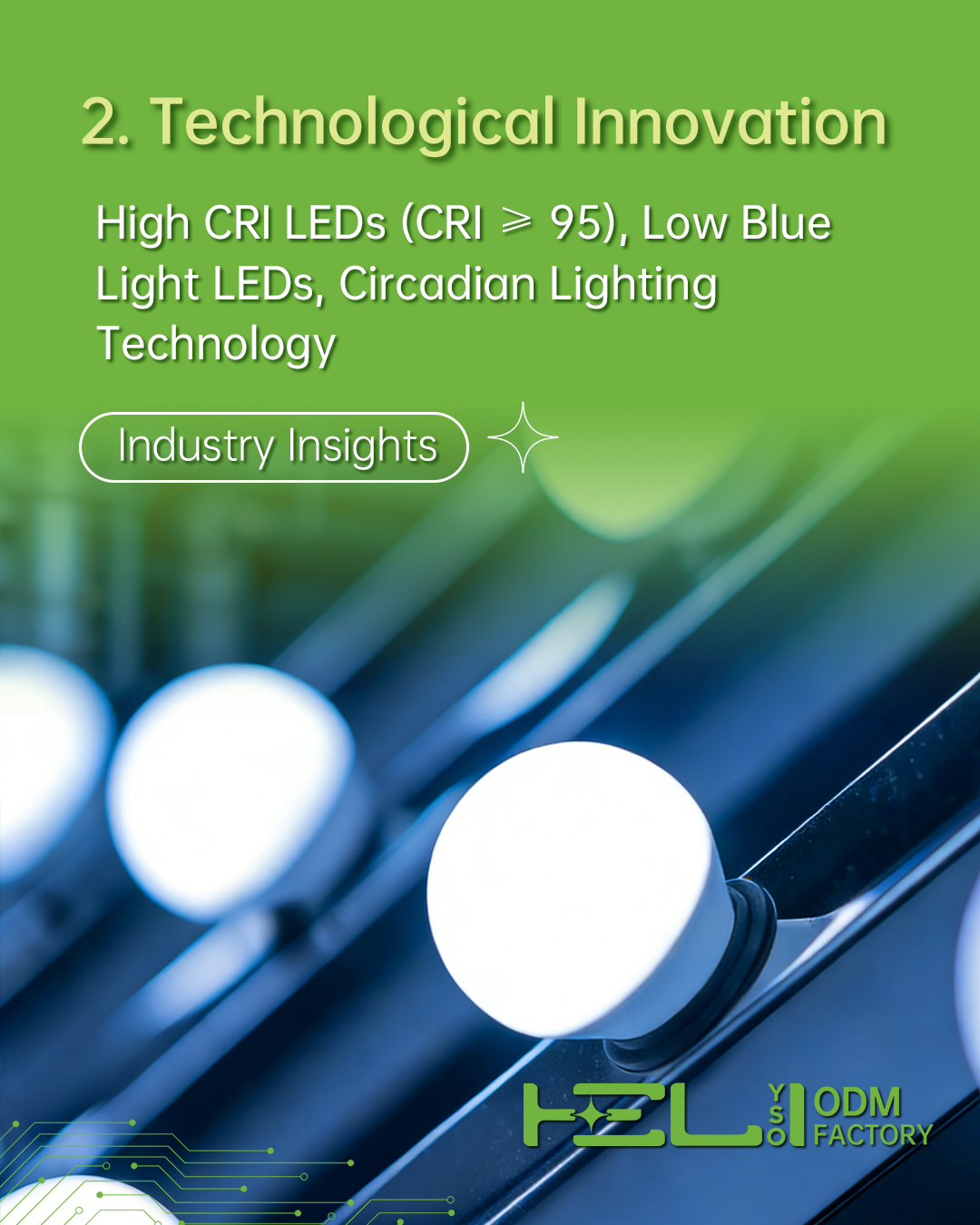
Lighting as a Service: A New Business Model Emerges
The traditional model of selling light bulbs is being challenged by Lighting as a Service. In an LaaS model, customers pay a monthly fee for illumination, while the service provider owns, maintains, and upgrades the physical assets. This shifts the capital expenditure for a new, efficient LED lighting system to an operational expense, removing a…
-
The Dawn of LiFi: Could Light Replace Wi-Fi?
A new frontier in connectivity is emerging from the lighting industry. LiFi, or Light Fidelity, is a wireless communication technology that uses light waves from LED bulbs to transmit data at extremely high speeds. Unlike traditional Wi-Fi that relies on radio frequencies, LiFi offers a more secure and interference-free connection, as light cannot penetrate walls.…
-
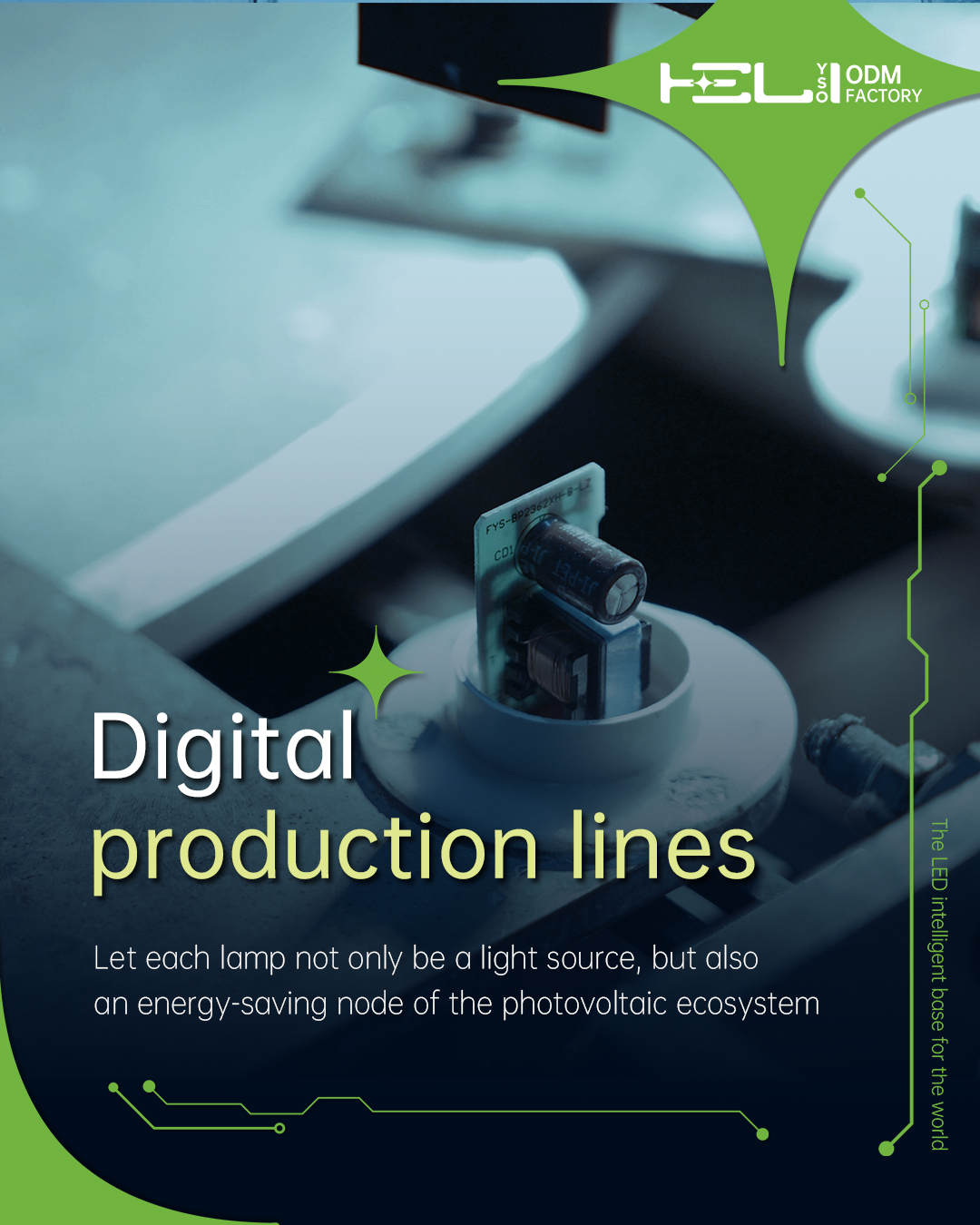
Circadian Lighting Goes Mainstream: Wellness in the Workplace
The concept of circadian lighting, which aligns artificial light with the human body’s natural 24-hour cycle, is rapidly moving from experimental studies to real-world office applications. Businesses are increasingly investing in tunable LED systems that adjust color temperature and intensity throughout the day. The goal is to enhance employee well-being, boost daytime alertness, and support…
-
The Miniaturization Revolution: Micro-LEDs and Beyond
Lighting technology is becoming invisible. The rise of Micro-LEDs, which are chips smaller than 100 micrometers, is enabling entirely new form factors. These tiny, ultra-bright light sources allow for seamless integration into materials, fabrics, and ultra-thin displays. In architectural lighting, Micro-LEDs facilitate discreet, pixel-level control for creating dynamic media walls and immersive art installations. The…
-
Total Cost of Ownership: The Enduring Metric in Professional Lighting
For business and industrial clients, the decision to upgrade lighting is fundamentally driven by the Total Cost of Ownership calculation. TCO encompasses the initial purchase price, installation cost, energy consumption over the product’s life, maintenance costs (including relamping), and end-of-life disposal. Modern LED systems consistently win this analysis despite higher upfront costs, due to their…
