
Media Report
-

Advanced Controls Unlock Next Phase of LED Savings
The LED revolution’s initial wave of savings is largely realized, but a new frontier of efficiency lies in sophisticated controls. Advanced systems utilizing sensors, timers, and data analytics are moving beyond basic motion detection. Today’s solutions employ machine learning to understand occupancy patterns, adjust for available daylight with precision, and even integrate with building management
-

The Software Frontend: User Experience in Smart Lighting
As smart lighting systems grow more powerful, their complexity can become a barrier. The focus is now sharply on the user interface. The best systems hide their sophistication behind simple, intuitive apps and physical controls. Gesture control, voice commands, and contextual automation are becoming standard. Users can create «scenes» like «Movie Night» or «Morning Coffee»
-
Licensed Light: The Branded Color Spectrum
Color is a powerful brand identifier, and companies are now seeking to own it in lighting. Specialized color labs work with brands to create custom, proprietary shades of white or colored light that become synonymous with their identity. This «licensed light» can be programmed into the smart lighting systems of their flagship stores, offices, and
-
The Rise of Organic Shapes: Lighting as Sculpture
Aesthetic trends in decorative lighting are moving sharply away from rigid, geometric forms toward organic, fluid shapes. Inspired by nature, designers are creating pendants and floor lamps that resemble flowing fabric, melting ice, or cellular structures. This is enabled by new materials like flexible LEDs, silicone diffusers, and 3D printing, which allow for forms that
-

Maintenance 2.0: Predictive Analytics for Lighting Systems
The era of reactive maintenance—changing a bulb only after it fails—is ending. Connected lighting systems enable predictive maintenance. By continuously monitoring driver health, LED temperature, and operating hours, the system can predict failures before they happen. Facility managers receive alerts about a fixture that is likely to fail in the coming weeks, allowing for planned,
-
Blue Light Debate: Science vs. Sensationalism
The potential hazards of blue light from screens and LEDs have sparked public concern, often fueled by sensational media reports. The scientific picture is more nuanced. While research confirms that high-intensity blue light exposure at night can suppress melatonin and disrupt sleep, the risks from typical ambient indoor lighting are significantly lower. The lighting industry
-

Projection Mapping: Transforming Surfaces with Light Storytelling
Architectural projection mapping has evolved from a special event spectacle to a more permanent medium for branding and public art. Using powerful, calibrated projectors and sophisticated software, light and video are mapped onto the irregular surfaces of buildings, turning them into dynamic canvases. Lighting companies are involved by providing the high-lumen, durable projectors and robust
-

Blue Light Debate: Science vs. Sensationalism
The potential hazards of blue light from screens and LEDs have sparked public concern, often fueled by sensational media reports. The scientific picture is more nuanced. While research confirms that high-intensity blue light exposure at night can suppress melatonin and disrupt sleep, the risks from typical ambient indoor lighting are significantly lower. The lighting industry
-
Projection Mapping: Transforming Surfaces with Light Storytelling
Architectural projection mapping has evolved from a special event spectacle to a more permanent medium for branding and public art. Using powerful, calibrated projectors and sophisticated software, light and video are mapped onto the irregular surfaces of buildings, turning them into dynamic canvases. Lighting companies are involved by providing the high-lumen, durable projectors and robust
-
The Data Goldmine: Analytics from Connected Lighting Systems
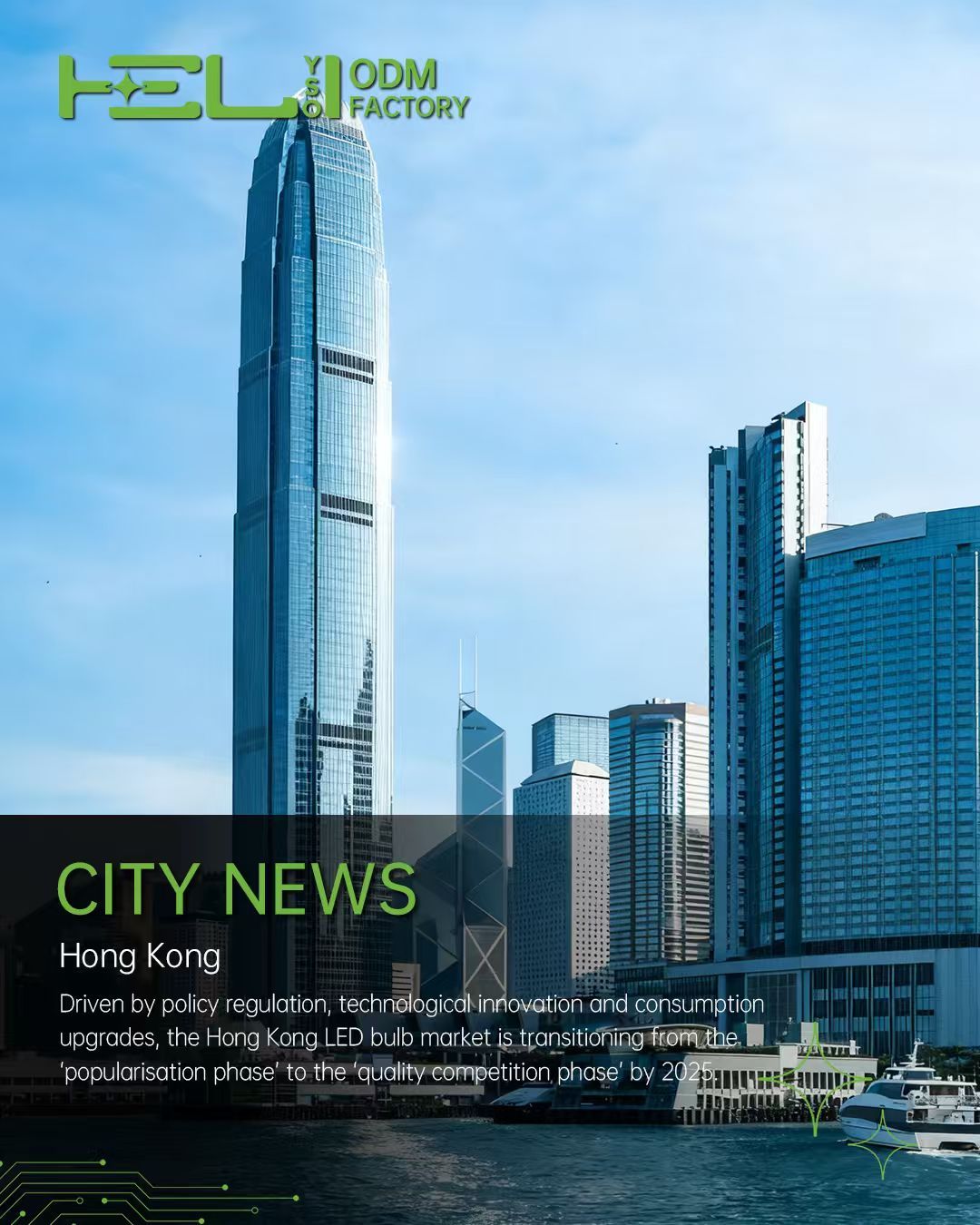
A network of connected light points is more than a lighting system; it’s a pervasive sensor grid. Each fixture can be equipped with sensors to collect anonymized data on occupancy, space utilization, foot traffic patterns, ambient temperature, and light levels. This data, when aggregated and analyzed, provides invaluable insights for facility managers, retailers, and city
-
Heritage and Light: Illuminating History with Modern Tech
Lighting historic buildings and monuments presents a unique challenge: enhancing beauty and ensuring safety without damaging delicate structures or compromising their character. Modern LED solutions are ideal for this task. Their small size allows for discreet placement, and their low heat output and lack of ultraviolet radiation protect sensitive stone, paint, and artifacts. Advanced optics
-

The Driver Challenge: Powering the Future of Light
The unsung hero of the LED revolution is the electronic driver. As fixtures become smarter and more sophisticated, the demands on drivers increase exponentially. They must not only convert power efficiently but also house connectivity modules, execute complex control protocols, and enable features like dimming and color tuning. Reliability is paramount—a driver failure renders the
